
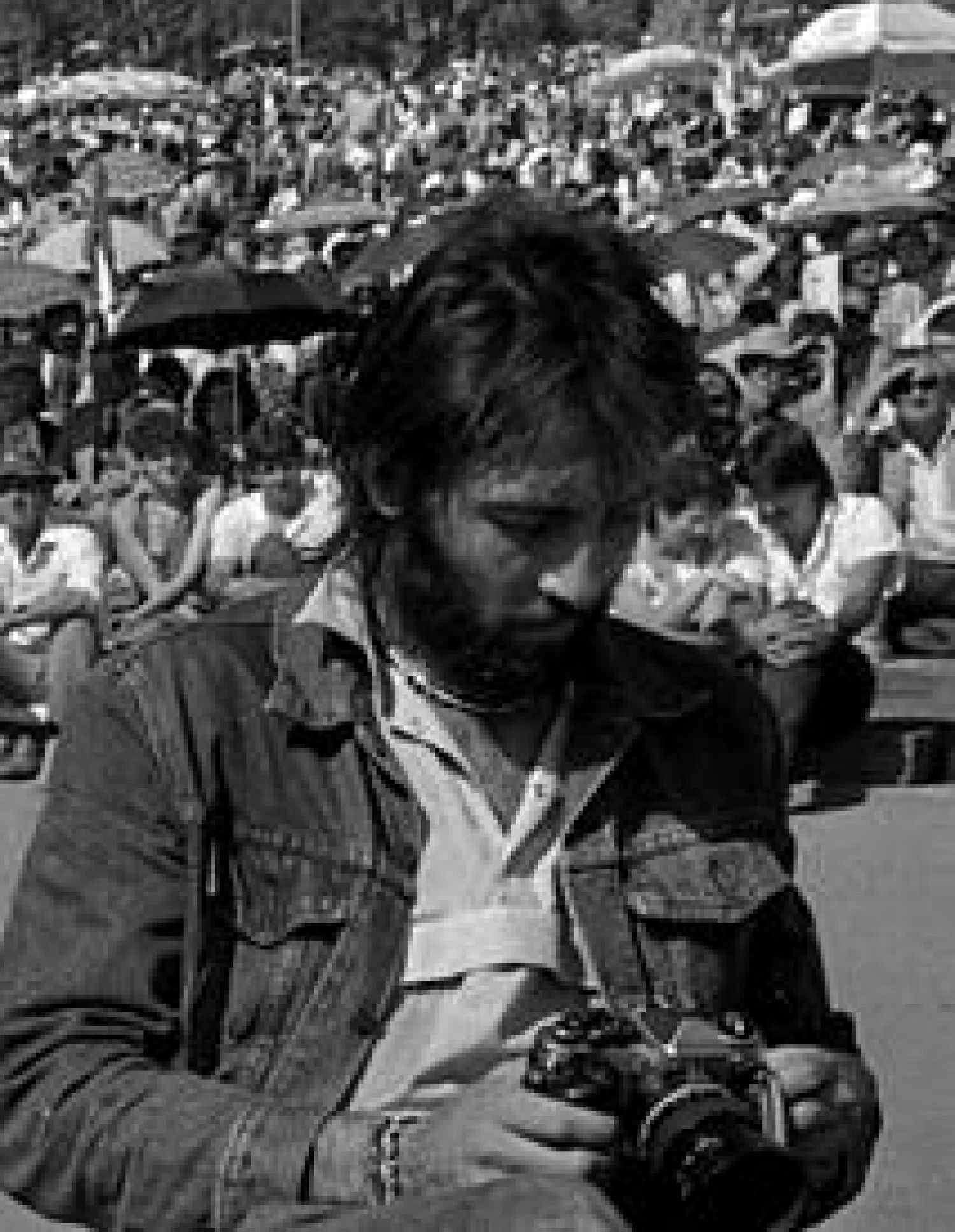
Creative Outlooks - The Tragic Life of Kevin Carter
May, 21 2026
In the two minutes and eighteen seconds it takes you to read this article you could have had your photographs processed old school where you had to wait for them to be developed.
It was a career decision that South African born Kevin Carter decided to embark on who became a photojournalist and a member of the respected Bang – Bang Club. But his story is filled with tragedy.
In the same time frame it takes for your photographs to be developed you can see the tragic life story of Kevin Carter – A Photojournalists Journey –
Despite his tragic life, Carter managed to reach a career milestone by winning the Pulitzer Prize. The Pulitzer Prize are 23 annual awards given by Columbia University in New York City for achievements in the United States in "journalism, arts and letters". They were established in 1917 by the will of Joseph Pulitzer, who had made his fortune as a newspaper publisher.
It was the March 26th 1993 photograph which appeared in The New York Times which depicted a frail famine stricken boy, erroneously believed to be a girl until 2011, who had collapsed in the foreground with a hooded vulture eyeing his from nearby.
The picture won the Pulitzer Prize for Feature Photography award in 1994. Carter died by suicide four months after winning the prize.
This first publication in The New York Times "caused a sensation", Marinovich wrote, adding, "It was being used in posters for raising funds for aid organisations. Papers and magazines around the world had published it, and the immediate public reaction was to send money to any humanitarian organisation that had an operation in Sudan."
Claiming responsible ethical behaviour of photographers, publishers and the viewers of such photographs of shocking scenes, cultural writer Susan Sontag wrote in her essay Regarding the Pain of Others (2003): "There is shame as well as shock in looking at the close-up of a real horror. Perhaps the only people with the right to look at images of suffering of this extreme order are those who could do something to alleviate it ... or those who could learn from it. The rest of us are voyeurs, whether or not we mean to be."
In 1994 Welsh rock band Manic Street Preachers released the dark and controversial album The Holy Bible. After the disappearance of original member Richey Edwards on 1st February 1995 the band were looking for inspiration for a song.
‘Kevin Carter’ became a defining hit single. With lyrics drawn from the 1994 Pulitzer Prize winning professional photographer who was awarded the image The Vulture and the Little Girl taken in what is now South Sudan.
Lyrically it was driven by Richey Edwards but musically it was created by the remaining band members with a slide and bottleneck guitar plus a cool trumpet solo played by Sean Moore. Frontman lead singer and guitarist James Dean Bradfield has said of the song, "It's quite a scratchy sound, but it's kind of complicated in its own humble way."
The song reached number nine on the UK Single Chart on 12th October 1996, giving them a third straight top ten hit, remaining in the charts for eight weeks.
Only the Manic Street Preachers could turn an artist’s tragedy into a song of great depth and breathing with skill and attention to detail. Experience the music video here –
Almost thirty years since it was a released it remains a defining track from their fourth classic album ‘Everything Must Go’ and it is a fan favourite when performed live.
But we mustn’t lose track of the melancholy behind the tragedy of Kevin Carter that even when he achieved great success with his photojournalism there was deep discomfort within his soul, so much so that he took his own life. The lesson here is that we may become a success in our creative pursuits but ultimately if the artist is not happy within, than that success will never be a joy it will leave a bitter discontent. So we need to feel happy following success, that way we can continue in our career successfully.
^Alex Ashworth CCG Content Creator