Buildings of Distinction - Big Ben/ The Elizabeth Tower - London
Mar, 14 2026
For a building to be distinct it requires historic significance and present importance. You may be familiar with the chiming clock on the News at Ten or perhaps the strike at midnight on New Year’s Eve. But the following video will reveal 15 amazing facts about Big Ben in London – The Elizabeth Tower –
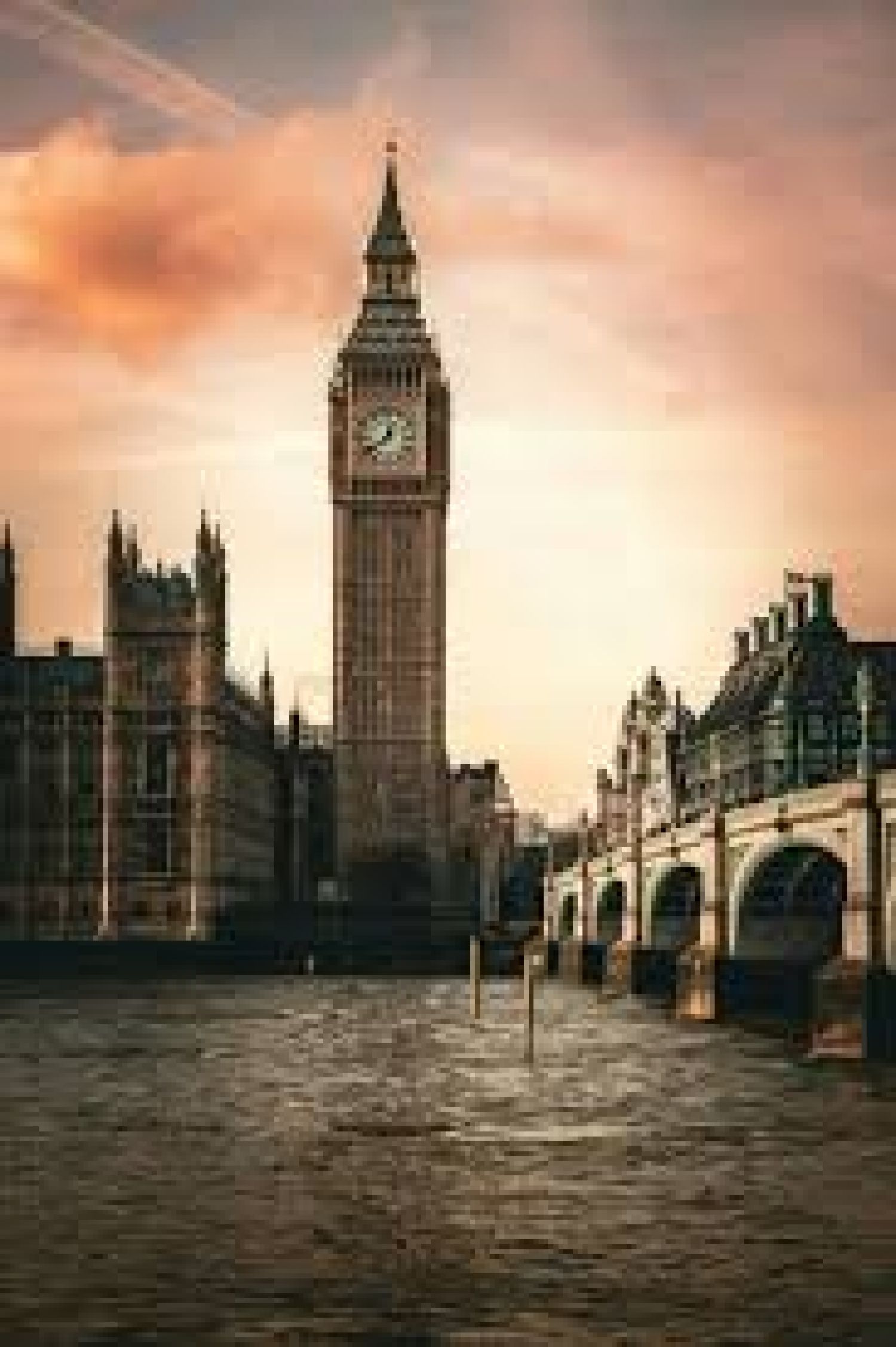
It’s a fascinating piece of architecture which was completed in 1859. It was constructed using bricks clad on the exterior with sand-coloured Anston limestone from South Yorkshire, topped by a spire covered in hundreds of cast iron roof-tiles. There is a spiral staircase with 290 stone steps up to the clock room, followed by 44 to reach the belfry, and an additional 59 to the top of the spire.
Political interest was included in 1873 when a new feature was added by Acton Smee Ayrton, then First Commissioner of Works. The Ayrton Light is a lantern sited above the belfry and is lit whenever the House of Commons sits after dark. It can be seen from across London. Originally, it shone towards Buckingham Palace so Queen Victoria could look out of a window and see when the Commons were at work.
Over the years it has experienced a variety of breakdowns at incidents, here are just a few –
19th century -
- Before 1878: The clock stopped for the first time in its history, "through a heavy fall of snow" on the hands of a clock face.
20th century –
- 1916: For two years during the First World War, the bells were silenced and the clock faces were not illuminated at night to avoid guiding attacking Zeppelins of the German Empire.The bells were restored at 11:00 am on 11 November 1918 to mark the end of the war.
-
11 June 1984: Two members of the environmental group Greenpeace scaled the tower and blocked the face for 11 hours.
21st century –
- 7:00 am on 5 June 2006: The "Quarter Bells" were taken out of commission for four weeks as a bearing holding one of the quarter bells was worn and needed to be removed for repairs. During this period, BBC Radio 4 broadcast recordings of British bird song followed by the pips in place of the usual chimes.
Instead of simply hearing the chimes over the radio you can be there in person. Big Ben tours take place all year round. For further information simply visit the following website link – https://www.parliament.uk/visiting/visiting-and-tours/big-ben-tour/
The clock has become a cultural symbol of the United Kingdom, particularly in the visual media. When a television or film-maker wishes to indicate a generic location in the country, a popular way to do so is to show an image of the tower, often with a red double-decker bus or black cab in the foreground.
In 2008 a survey of 2,000 people found that the tower was the most popular landmark in Britain. It has also been named as the most iconic film location in London.
In recent years it has experienced a period of restoration to look after the tower and keep it in pristine shape now and for the years to come. In September 2025, the restoration of the tower was shortlisted for the Stirling Prize.
Big Ben/The Elizabeth Tower is more than just an attractive building. It carries an interesting past and has moved with the times in a political climate. It can be heard all year round and not just on midnight when revellers circulate the tower. Its restoration has enabled it to continue to be a beacon of light as each hour reminds of its strong presence in the city of London.
^Alex Ashworth CCG Content Creator