Creative Outlooks -The London Underground - A Revolutionary Mode of Transport
Apr, 21 2025
Getting around proved difficult for people in the mid – 19th century. However, a transportation which revolutionized the way we travel was introduced making it the world’s first underground passenger railway. This month’s ‘Creative Outlooks’ focuses on The London Underground.
Let us discover more in this 10 minute 15 second film entitled, ‘London Underground – How was it built? London 2000 years of History – A Channel 5 production –
It might the end of the programme but it wasn’t the end of the line for the London Underground. American investor Charles Yerkes sought to have control of the District Railway and established the Underground Electric Railways Company of London (UERL) in 1902 to finance and operate three tube lines, the Baker Street and Waterloo Railway (Bakerloo), the Charing Cross, Euston and Hampstead Railway (Hampstead) and the Great Northern, Piccadilly and Brompton Railway, (Piccadilly), which all opened between 1906 and 1907. When the "Bakerloo" was so named in July 1906, The Railway Magazine called it an undignified "gutter title". By 1907 the District and Metropolitan Railways had electrified the underground sections of their lines.
As time passed there was continued discussion about an additional name so that commuters knew where the stations were in Central London. It was either ‘tube’ or ‘electric’. The term ‘Tube’ became an agreed name which was later adopted alongside the Underground.
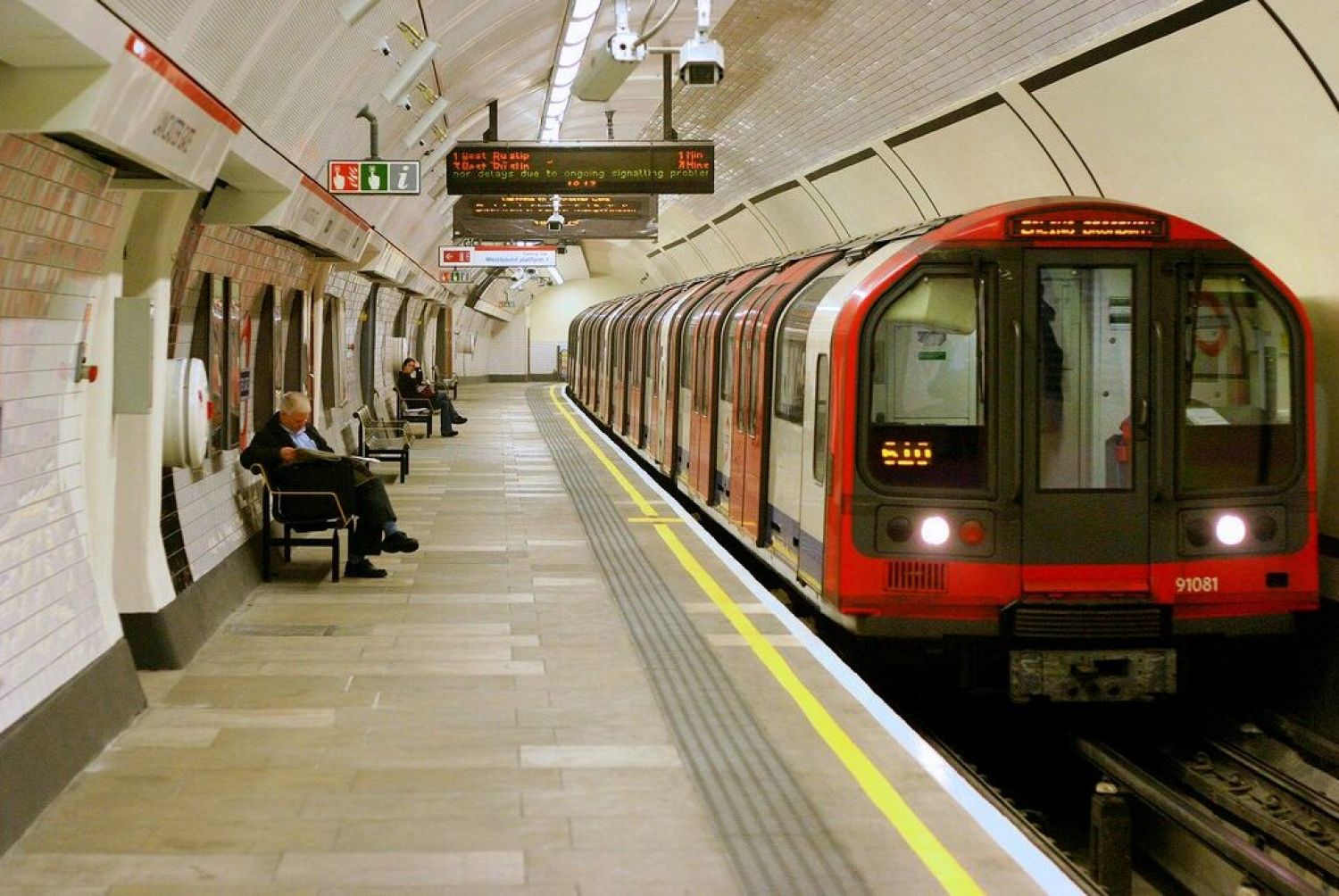
In the modern era, the tube is easily accessible for people living in London. For the early morning rush hour work time zone and the closing day teatime. It continues to find ways to develop and improve making it an excellent service for daily commuters.
For the latest information simply visit the following website link -
https://tfl.gov.uk/modes/tube/
During the war era under the provisions of the Transport Act of 1947, the London Passenger Transport Board was nationalised and renamed the London Transport Executive, becoming a subsidiary transport organisation of the British Transport Commission, which was formed on the same day.
Under the same act, the country's main line railways were also nationalised, and their reconstruction was given priority over the maintenance of the Underground and most of the unfinished plans of the pre-war New Works Programme were shelved or postponed.
As well as nationalisation and maintenance introduced, The London Underground has experienced a series of setbacks and incidents these range from:-
- 28th February 1975 – Moorgate Tube crash – 43 deaths and 74 injuries.
- 18th November 1987 – fire broke out in an escalator at King’s Cross St Pancras tube station.
- July 2005 – four coordinated terrorist attacks took place, three of them occurring on the Tube network. It was the UK’s deadliest terror incident since 1988.
- In 2020 – passenger numbers fell significantly during the COVID-19 pandemic and 40 stations were temporarily closed.
However, rewind to the London 2012 Olympic and Paralympic Games where the Underground saw record passenger numbers, with over 4.3 million people using the Tube on some days. This record was subsequently beaten in later years, with 4.82 million passengers in December 2015. In 2013, the Underground celebrated its 150th anniversary, with celebratory events such as steam trains and installation of a unique Labyrinth artwork at each station.
For the creatively inclined, The London Underground provides busking permits for up to 39 pitches across 25 central London stations, with over 100,000 hours of live music performed each year. Performers are chosen by audition, with previous buskers including Ed Sheeran, George Michael and Rod Stewart.
Due to it’s fascinating history and place in the modern world, The London Underground is frequently studied by academics because it is one of the largest, oldest, and most widely used systems of public transit in the world. Therefore, the transportation and complex network literatures include extensive information about the Tube system.
So the next time you decide to travel on the London Underground you may see a student absorbed in the historical relevance of this mode of transport. You could be an older, experienced person who has lived through some of the setbacks and incidents mentioned earlier. You can share your story and enlighten the student with your own personal anecdotes on why you think the London Underground is so unique in the 21st Century.
^Alex Ashworth CCG Art Blo